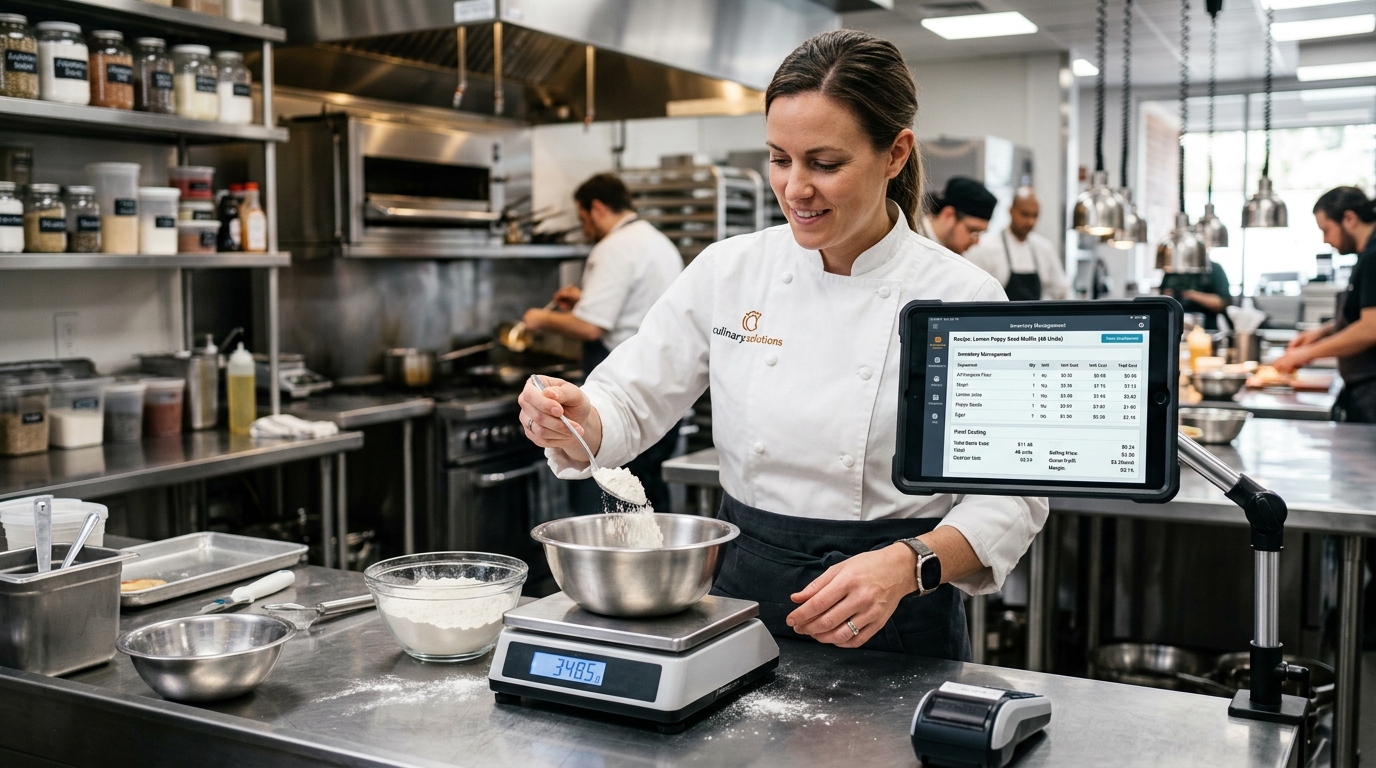
Food cost is the single largest controllable expense in restaurant management, typically consuming 28% to 35% of total monthly turnover. Unmonitored ingredient theft, over-portioning, and kitchen spoilage silently drain tens of thousands of Taka from restaurant profits every month.
By implementing a Recipe Bill of Materials (BOM) Costing System, restaurant managers can map every menu dish back to exact gram, milliliter, and piece-level raw materials that automatically deduct from central inventory with every sale.
The Cost of Inaccurate Recipe Costing
Many restaurant owners calculate menu prices based on guesswork or by copying nearby competitors. This dangerous practice often causes high-selling dishes to be sold at a net loss once fluctuating market prices for cooking oil, meat, dairy, and spices are accounted for.
Without Automated Recipe BOM
- No visibility on theoretical vs actual ingredient usage.
- Portion size varies depending on chef mood.
- Pilferage and unreported kitchen snacking go undetected.
- Unexpected stockouts during weekend peak shifts.
With HisabPlus Recipe POS
- Exact grams deducted automatically upon KOT punch.
- Live Gross Margin % calculated on every dish.
- Daily kitchen variance & waste reports in 1 click.
- Low raw material alerts sent to purchasing manager.
Step-by-Step: How HisabPlus Recipe Costing Works
Step 1: Raw Material Master Entry
Enter bulk raw materials with procurement unit conversions (e.g., Purchasing 1 Sack of Basmati Rice = 50 KG, Storing in KG, Deducting in Grams: 1 KG = 1000g).
Step 2: Recipe Mapping (BOM)
Define the exact recipe formula for every menu item. For example, 1 Plate Chicken Dum Biryani (Regular) consists of:
- Basmati Rice: 220 grams
- Broiler Chicken (Curry Cut): 180 grams
- Mustard/Soybean Oil: 30 ml
- Ghee (Clarified Butter): 15 grams
- Biryani Spices & Saffron Blend: 12 grams
- Potato: 1 Piece (60g)
- Packaging Box (for takeaway): 1 Unit
Step 3: Real-Time Auto Consumption
When Table 4 orders 3 plates of Chicken Dum Biryani, the POS automatically deducts 660g Basmati Rice, 540g Chicken, 90ml Oil, and 3 Potatoes from the Central Kitchen Stock in real time.
Formula for Recipe Food Cost Percentage
Food Cost % = (Portion Raw Material Cost ÷ Selling Price) × 100
For sustainable profitability in Bangladesh, target food cost percentages are:
| Cuisine Category | Target Food Cost % | Target Gross Margin % |
|---|---|---|
| Beverages, Coffee & Fresh Juice | 12% – 18% | 82% – 88% |
| Bakery, Desserts & Pastries | 20% – 25% | 75% – 80% |
| Fast Food (Burgers, Pizza, Fried Chicken) | 25% – 30% | 70% – 75% |
| Fine Dine Steak & Seafood | 32% – 38% | 62% – 68% |
Summary
Controlling food cost is the difference between an empty bank account and a thriving multi-branch restaurant chain. HisabPlus Restora POS empowers chefs and restaurant managers with enterprise-grade recipe costing tools at an affordable one-time price.
Discussion (0)
Leave a Reply
No comments yet. Start the conversation!